All 13 Kibbe Body Types Explained: Find Your Perfect Style Match
The 13 Kibbe body types are a style classification system that groups people into distinct categories based on the balance of Yin (soft, rounded) and Yang (sharp, angular) elements in their bone structure, body flesh, and facial features. Created by American image consultant David Kibbe in 1987, the system helps you choose clothing lines, fabrics, and silhouettes that work with your natural visual essence rather than against it.
Unlike simpler systems that label you “pear” or “hourglass” based on bust-waist-hip ratios, the Kibbe system reads your entire silhouette — how tall you appear, how sharp or rounded your frame is, and how your flesh sits on your bones. Two women with identical measurements can be entirely different Kibbe types, and that is exactly the point.
This guide covers all 13 original Kibbe body types, including the 10 that remain in the modern system and the 3 that have been retired. By the end, you will know each type’s defining traits, which clothing lines suit it best, and how to start identifying your own.
What Are Kibbe Body Types and Why Do They Matter?
Kibbe body types are a style framework that classifies people into categories based on the visual balance of sharpness and softness across their entire body and face. The system exists to answer one practical question: which clothing lines, fabrics, and proportions will make you look your best?
David Kibbe introduced the system in his 1987 book Metamorphosis: Discover Your Image Identity and Dazzle as Only You Can. The book presented 13 Image Identities arranged across a spectrum from pure Yang (sharp, angular, elongated) to pure Yin (soft, rounded, petite). Each identity came with specific guidelines on what to wear, what to avoid, and why.
The framework went far beyond measurements. While traditional body-shape systems categorize you by comparing your bust, waist, and hip widths, Kibbe looks at how long your bones are, how sharp or blunt your shoulders appear, whether your flesh is taut or soft, and how all of that reads as a complete visual impression. A 5’2″ woman can carry a long visual line. A 5’9″ woman can look compact. Kibbe captures those distinctions, and that is why the system resonated with millions.
Since around 2020, the Kibbe system has experienced a massive revival on social media. TikTok, Pinterest, and YouTube creators have introduced the framework to a new generation of style enthusiasts. David Kibbe himself has stated that he has typed over 35,000 people during his career, and his ideas continue to spread globally even though he remains largely offline.
Who Is David Kibbe?
David Kibbe is a New York-based image consultant who has been working in personal style since the 1980s. He published Metamorphosis in 1987, which became a foundational text in the image consulting field. The book is now out of print, and used copies frequently sell for $800 or more.
Kibbe gained mainstream recognition by appearing on shows like The Oprah Winfrey Show and in major fashion publications during the late 1980s and 1990s. His approach was different from the prevailing “dress to hide your flaws” advice — Kibbe believed every body has a natural visual harmony, and clothing should celebrate that harmony rather than fight it.
In January 2025, Kibbe published a follow-up book, David Kibbe’s Power of Style, which updates the framework for modern audiences. The book introduces a concept called Personal Line — a holistic method of reading how fabric drapes on your body, rather than analyzing individual features one by one. It was selected as the December 2025 pick for RuPaul’s Love Yourself Book Club.
Kibbe currently runs the Strictly Kibbe community on Facebook, where he participates directly in discussions and occasionally verifies members’ Image Identities through photo submissions. This remains the closest thing to an official Kibbe typing process outside of booking a private consultation in New York.
How Does the Yin-Yang Spectrum Work in Kibbe?
Every Kibbe body type is defined by its position on the Yin-Yang spectrum. Yin and Yang are visual descriptors — they have nothing to do with gender, personality, or attractiveness.
Yang describes visual elements that are sharp, angular, long, narrow, and bold. Think of a tall, lean frame with chiseled cheekbones and narrow shoulders — that is strong Yang energy in the Kibbe sense.
Yin describes visual elements that are soft, rounded, full, short, and delicate. Think of a petite frame with rounded cheeks, full lips, and gentle curves — that is strong Yin energy.
A common misunderstanding is treating Yin as “feminine” and Yang as “masculine.” Kibbe himself has explicitly pushed back against this. Marilyn Monroe (pure Yin / Romantic) is no more feminine than Keira Knightley (pure Yang / Dramatic). They simply have different visual lines, and they look their best in completely different clothing.
Most people are not pure Yin or pure Yang. The majority carry a mix of both, and the specific recipe of that mix determines their Kibbe type. Some types blend Yin and Yang smoothly (the Classic family). Others carry both in sharp contrast (the Gamine family). The spectrum is not a ranking — it is a map.
What Are the 5 Kibbe Families?
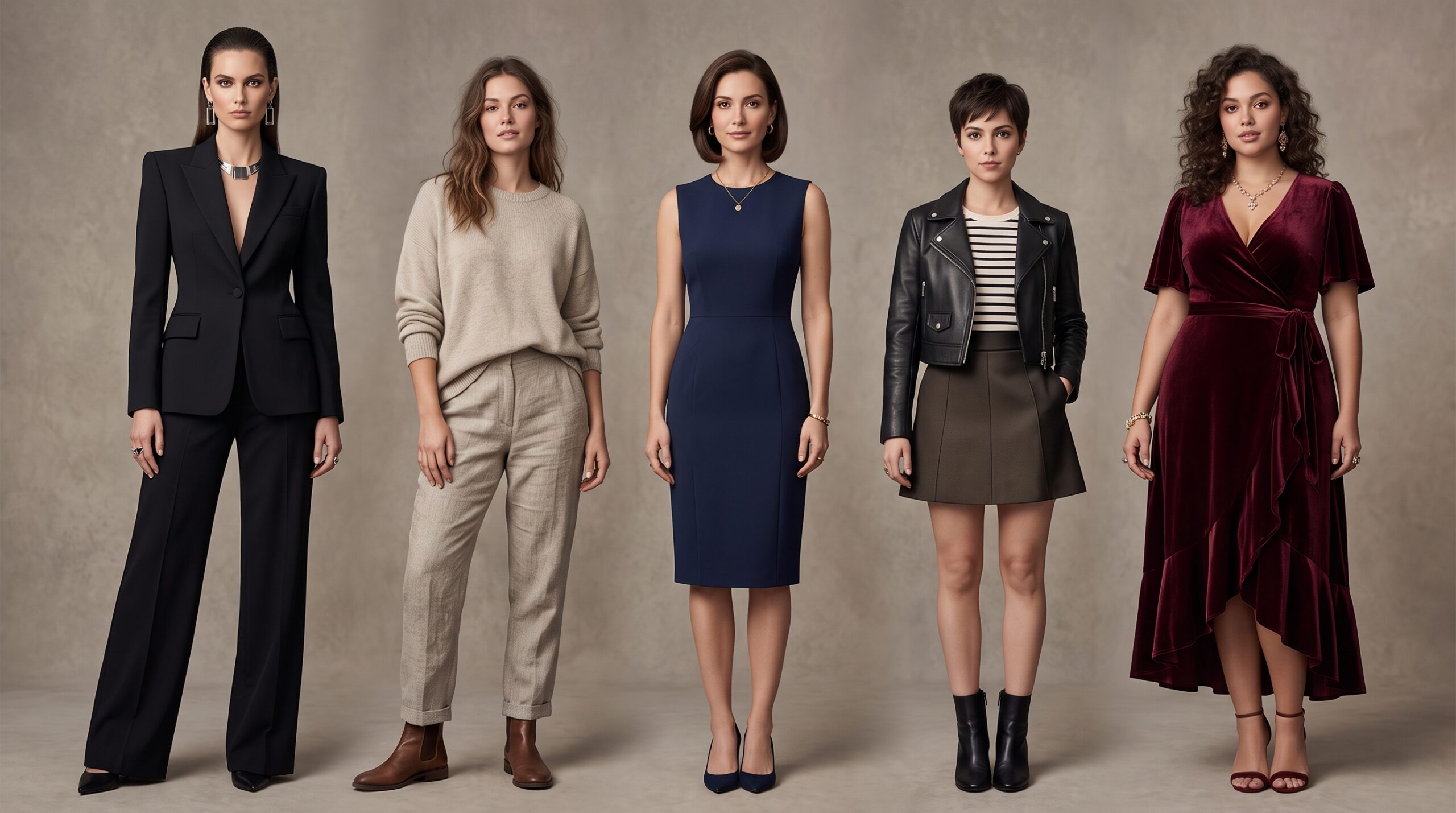
The 13 Kibbe body types are organized into 5 main families. Each family sits at a different position on the Yin-Yang spectrum and shares a core set of visual characteristics.
The Dramatic Family (Yang-Dominant): Long, sharp, statuesque. Members appear tall and angular, with defined bone structure. Includes Dramatic and Soft Dramatic.
The Natural Family (Yang with Blunt Edges): Broad, bold, open. Members have strong frames with blunt rather than sharp edges. Includes Flamboyant Natural, Natural (retired), and Soft Natural.
The Classic Family (Balanced Yin/Yang): Symmetrical, moderate, refined. Members have evenly proportioned features that are neither very sharp nor very soft. Includes Dramatic Classic, Classic (retired), and Soft Classic.
The Gamine Family (Yin/Yang Contrast): Petite, high-contrast, animated. Members carry both sharp and soft elements simultaneously — not blended, but in visible contrast. Includes Flamboyant Gamine, Gamine (retired), and Soft Gamine.
The Romantic Family (Yin-Dominant): Soft, rounded, lush. Members have delicate bones and full, rounded flesh. Includes Theatrical Romantic and Romantic.
Understanding your family first narrows the field considerably. If you know you are in the Natural family, you only need to decide between Flamboyant Natural and Soft Natural — not all 13 types.
The 13 Kibbe Body Types: A Complete Breakdown
Below is a detailed look at each Kibbe body type, covering its visual essence, defining traits, and style approach. The 10 active types in the modern system are covered in depth. The 3 retired types are included for reference, since they still appear in many online resources.
1. Dramatic
Visual Essence: Sharp, angular, statuesque. Pure Yang.
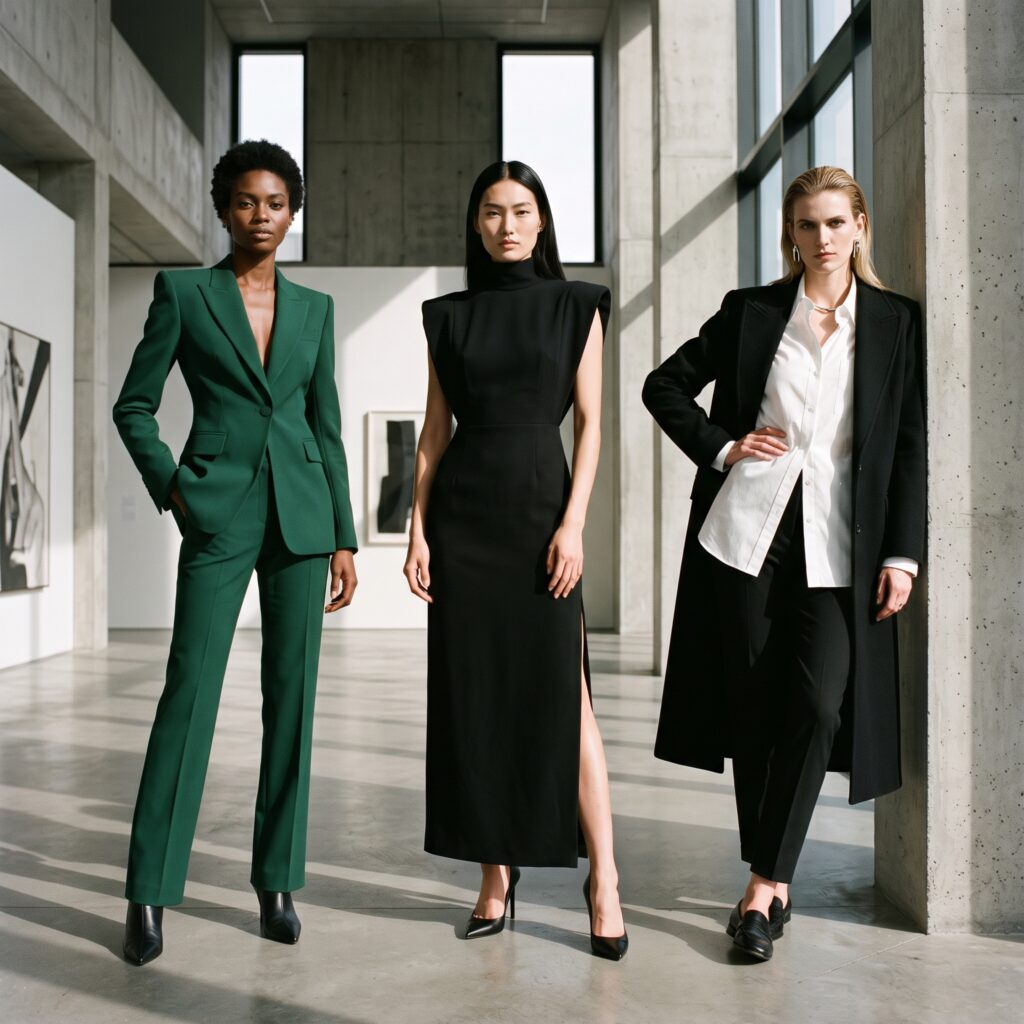
The Dramatic is the most Yang-dominant type in the entire system. Dramatics carry a long vertical line with narrow, angular bone structure throughout. Their overall impression is bold, powerful, and striking.
Key Physical Traits: Tall or appearing tall. Long, narrow frame. Sharp shoulders, angular jawline, and prominent cheekbones. Long arms and legs. Flesh tends to be taut rather than soft. When gaining weight, Dramatics typically collect it in the hips and upper thighs while the upper body stays lean.
Style Approach: Long, unbroken vertical lines work best. Think sharp tailoring, monochromatic columns, slim silhouettes, and geometric shapes. Dramatics shine in minimalist, high-contrast outfits. They should avoid small-scale patterns, fussy details, and anything that breaks the vertical line.
Verified Celebrity Examples: Keira Knightley, Jamie Lee Curtis, and Olivia Culpo have been verified by David Kibbe.
2. Soft Dramatic
Visual Essence: Grand, lush, sweeping glamour. Yang frame + Yin flesh.
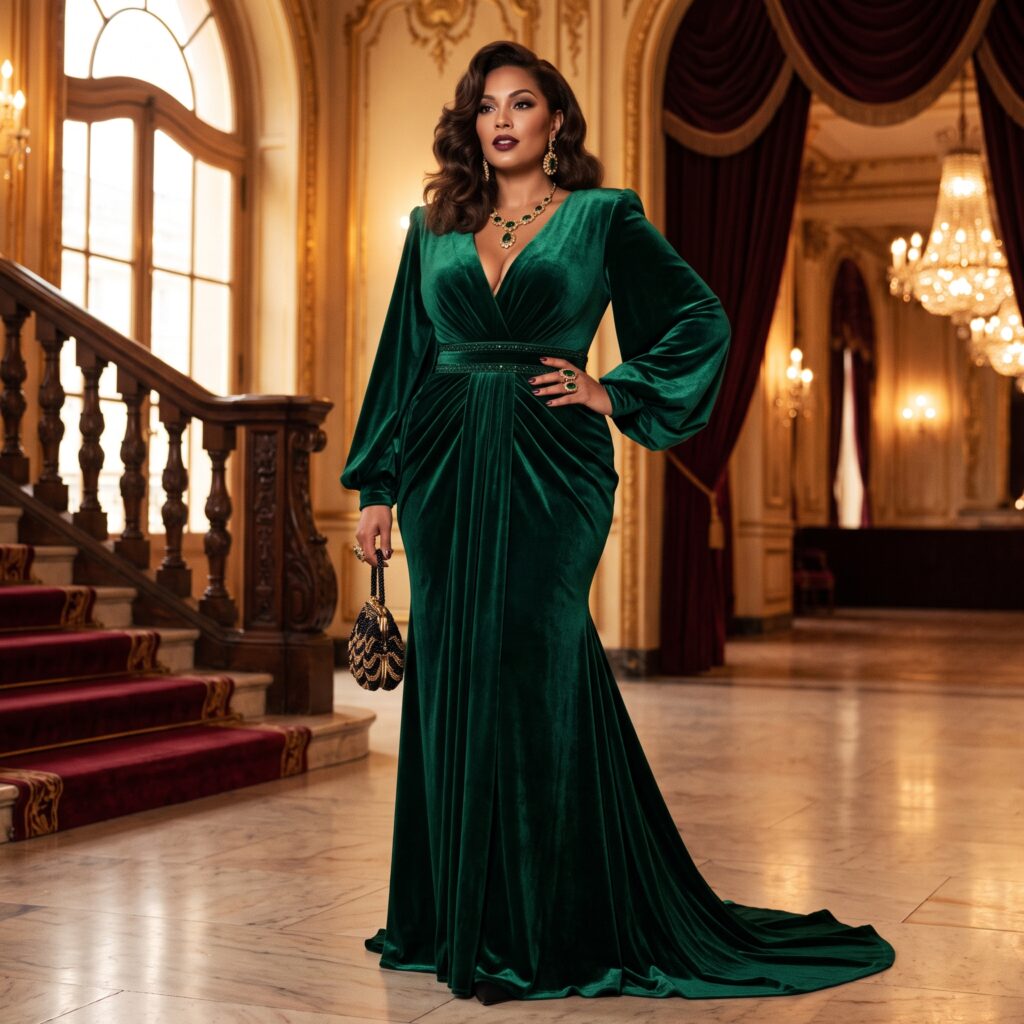
The Soft Dramatic combines the tall, sharp frame of the Dramatic family with a layer of soft, rounded flesh. The result is a commanding presence that also carries sensuality — Kibbe describes this as “Diva Chic.”
Key Physical Traits: Tall or moderately tall. Long, angular bone structure softened by curves, particularly at the bust and hips. Full lips and large, expressive eyes. The face often blends sharp bones with soft features.
Style Approach: Soft Dramatics need clothing that honors both their vertical line and their curves. Long body-skimming dresses, sweeping fabrics, and draped silhouettes work beautifully. Lightweight wools, silk crepe, and velvet are ideal. Avoid stiff, boxy shapes or tiny, dainty details — they get lost on the Soft Dramatic frame.
Verified Celebrity Examples: Sophia Loren, Barbra Streisand, and Anjelica Huston.
3. Flamboyant Natural
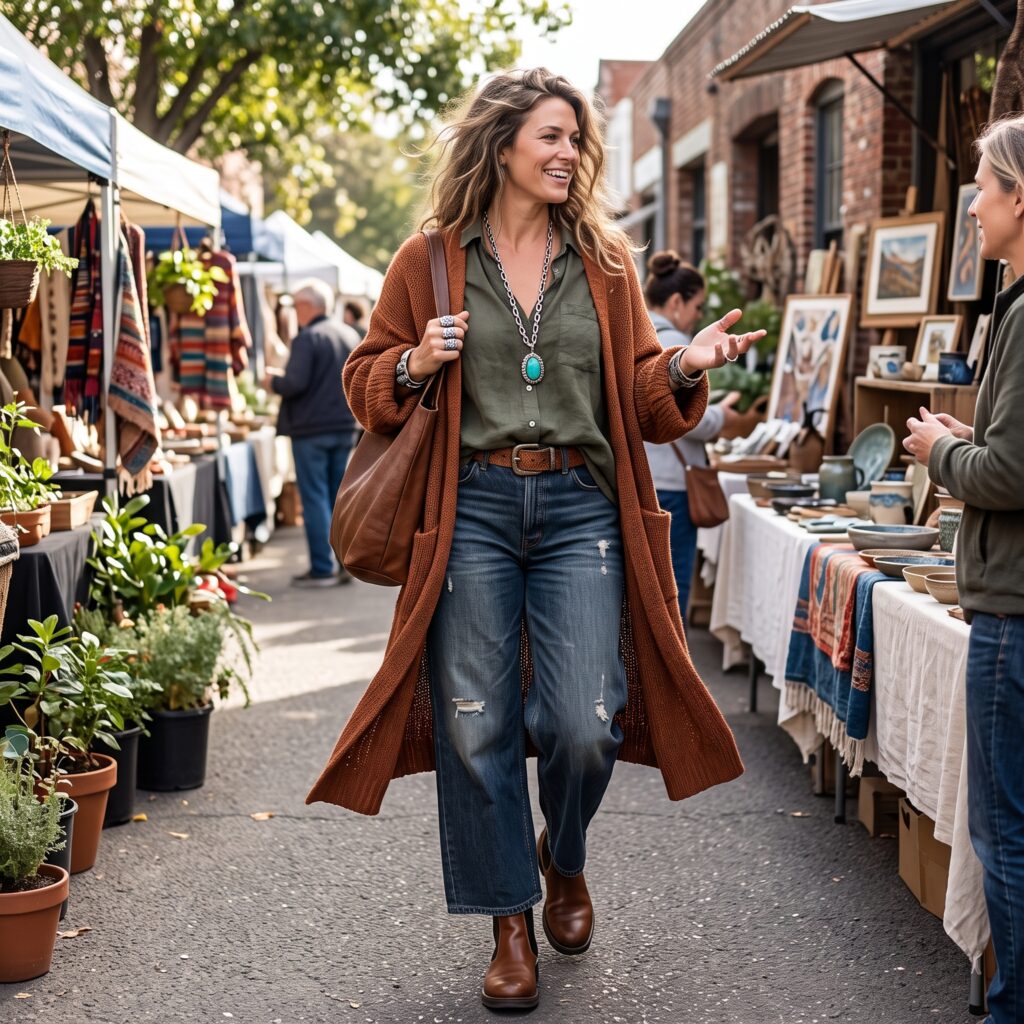
Visual Essence: Bold, broad, free-spirited. Yang with blunt edges.
The Flamboyant Natural carries width and length together. Their frame is strong and open, with broad shoulders and long limbs. Unlike the Dramatic, whose Yang is sharp, the Flamboyant Natural’s Yang is blunt — think broad, not narrow.
Key Physical Traits: Tall with a wide, open frame. Broad shoulders and strong bone structure with blunt edges. Long arms and legs. Flesh can be angular to slightly soft. Facial features tend to be broad or prominent rather than delicate.
Style Approach: Long, unconstructed silhouettes with natural movement. Drop-waist dresses, long open jackets, wide-leg trousers, and asymmetric drape. Relaxed, natural fabrics like linen and cotton. The key rule is to never cinch, constrict, or over-structure. Let the clothing flow with the body’s natural openness.
Verified Celebrity Examples: Cindy Crawford and Tracee Ellis Ross.
4. Natural (Retired)
Visual Essence: Relaxed, athletic, open.

The pure Natural type sat between Flamboyant Natural and Soft Natural — broad and blunt-edged without leaning sharper or softer. In the modern system, David Kibbe retired this type because, in his clinical experience, almost nobody is purely balanced within the Natural family. Most people lean toward either Flamboyant Natural or Soft Natural.
If you test as “pure Natural” on an online quiz, explore both Flamboyant Natural and Soft Natural to see which clothing lines feel better on your frame.
5. Soft Natural
Visual Essence: Relaxed, casually pretty, easy elegance.
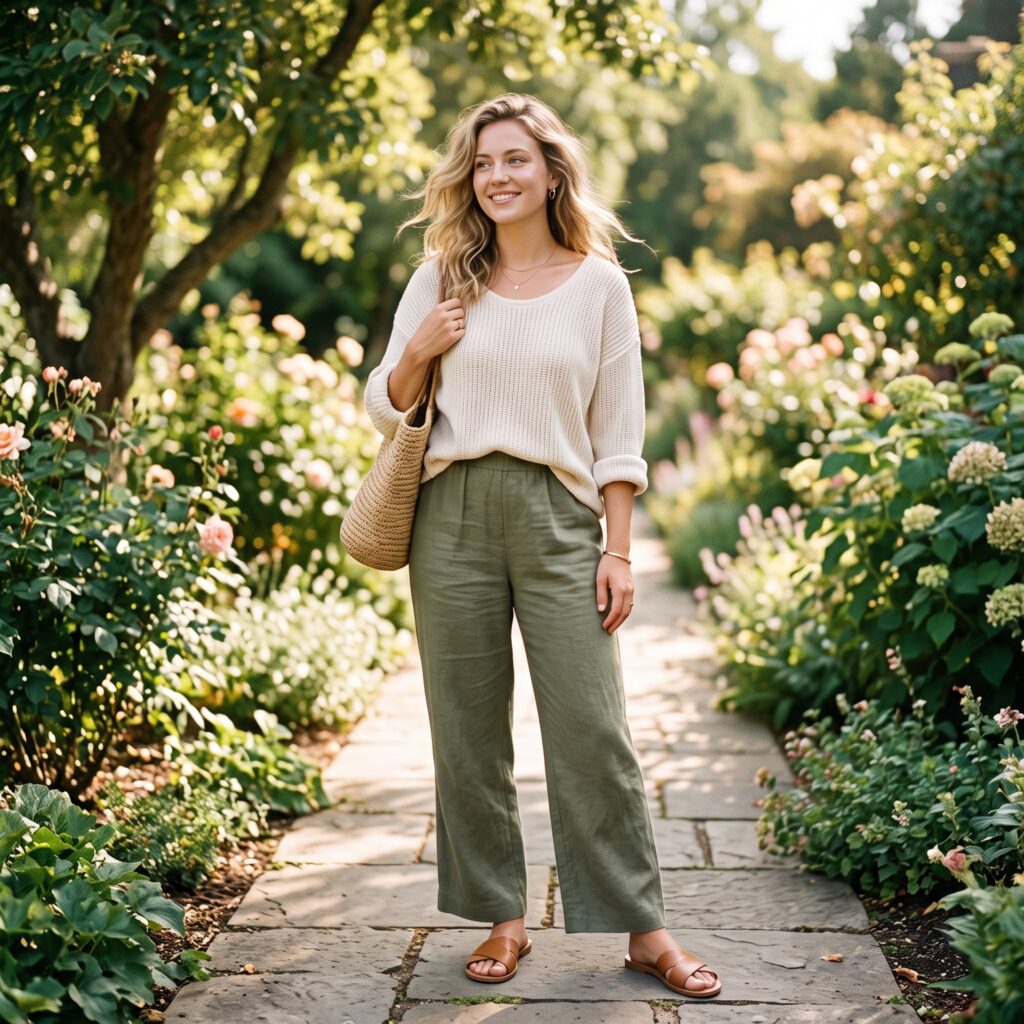
The Soft Natural is a Natural frame (broad, blunt bones) with an added layer of Yin softness. The result is a body that reads as relaxed and approachable, with gentle curves softening the otherwise open, angular frame.
Key Physical Traits: Moderate height. Slightly broad shoulders that slope rather than jut. Waist is somewhat defined. Hips may be gently rounded. Flesh is soft and fleshy rather than taut. Facial features often have a slightly wide, open quality.
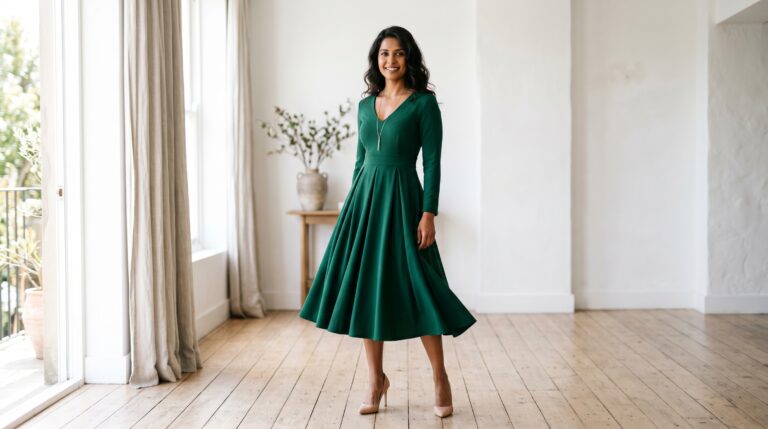
Style Approach: Soft, unconstructed clothing with gentle waist definition. Wrap dresses, A-lines, flowing layers, and natural fabrics. The silhouette should be relaxed but not shapeless — a subtle suggestion of the waist is ideal. Avoid anything too stiff, too crisp, or too structured.
Verified Celebrity Examples: Goldie Hawn, Scarlett Johansson, and Helen Mirren.
6. Dramatic Classic
Visual Essence: Polished, chiseled, refined elegance.
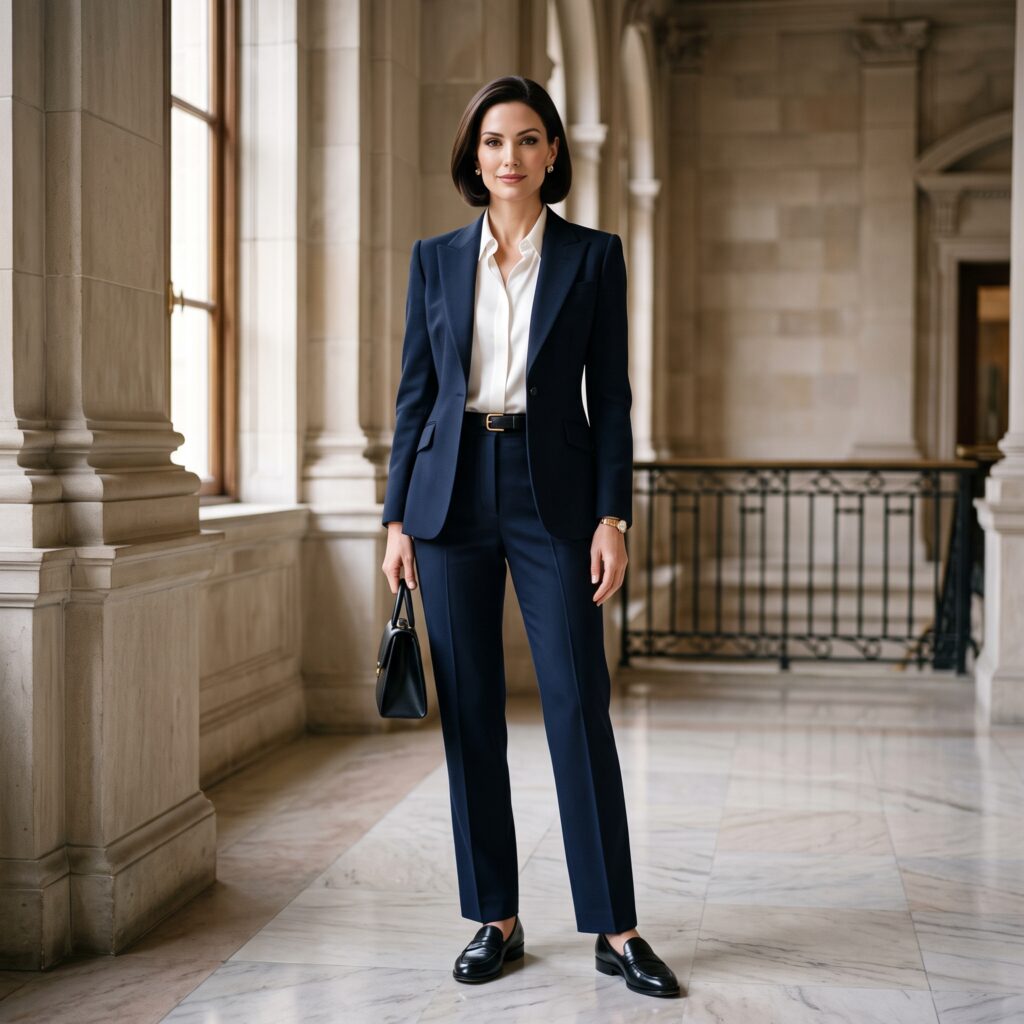
The Dramatic Classic blends the balanced symmetry of the Classic family with a subtle Yang edge. Everything about this type reads as moderate and proportioned, but with slightly sharper, more defined features than a pure Classic.
Key Physical Traits: Moderate height. Evenly proportioned with a slight angularity in the shoulders, jawline, or limbs. Neither very curvy nor very straight. Facial features are symmetrical with slightly defined cheekbones or a tapered jawline.
Style Approach: Tailored and polished, with clean lines and moderate proportions. Sheath dresses, slim trousers with sharp blazers, and structured silhouettes. Keep everything balanced — never too extreme in any direction. Monochromatic or low-contrast color combinations work best.
Verified Celebrity Examples: Isabelle Huppert and Grace Kelly are commonly associated with this family.
7. Classic (Retired)
Visual Essence: Pure symmetry and moderation.
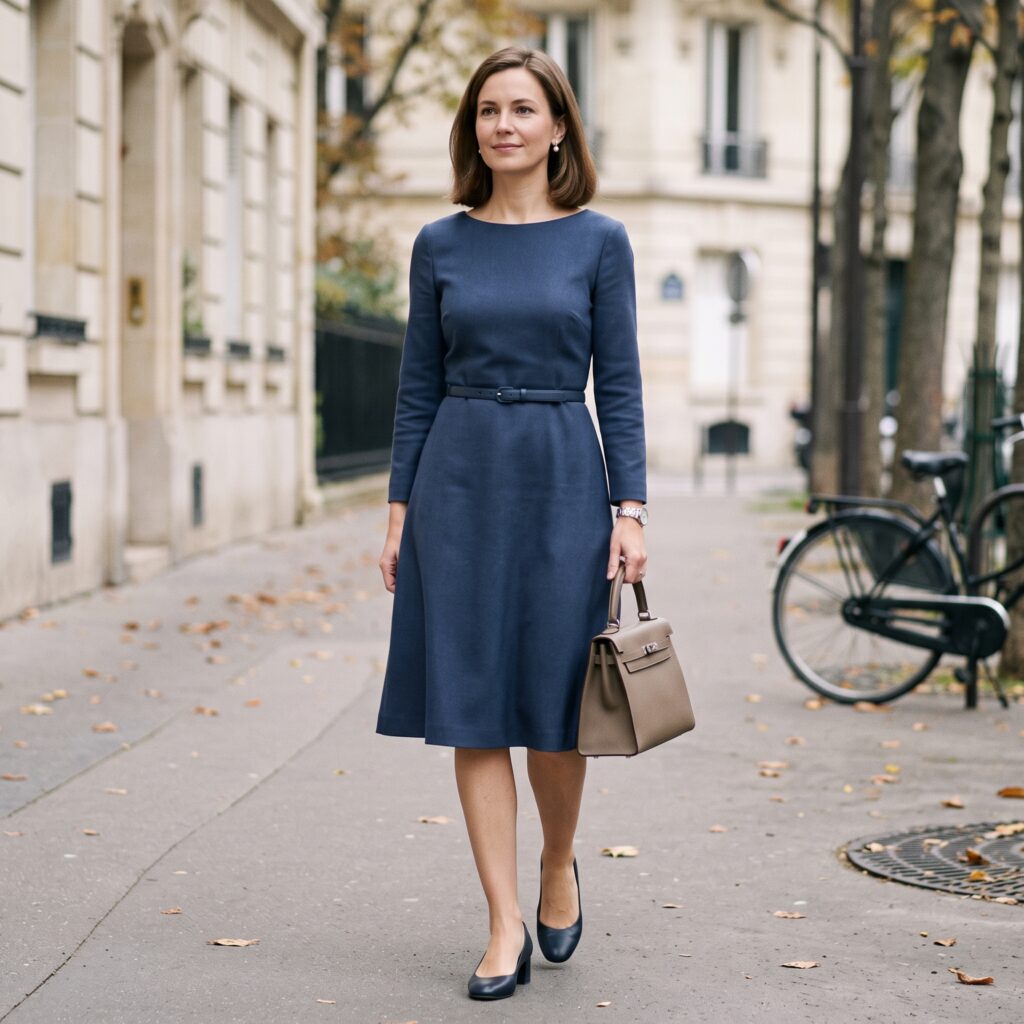
The pure Classic was the most balanced type in the system — perfectly even Yin and Yang with no emphasis in either direction. Like pure Natural and pure Gamine, David Kibbe retired this type because true perfect balance is exceptionally rare. Most people who test as Classic lean slightly toward either Dramatic Classic or Soft Classic.
8. Soft Classic
Visual Essence: Gentle elegance, soft polish.
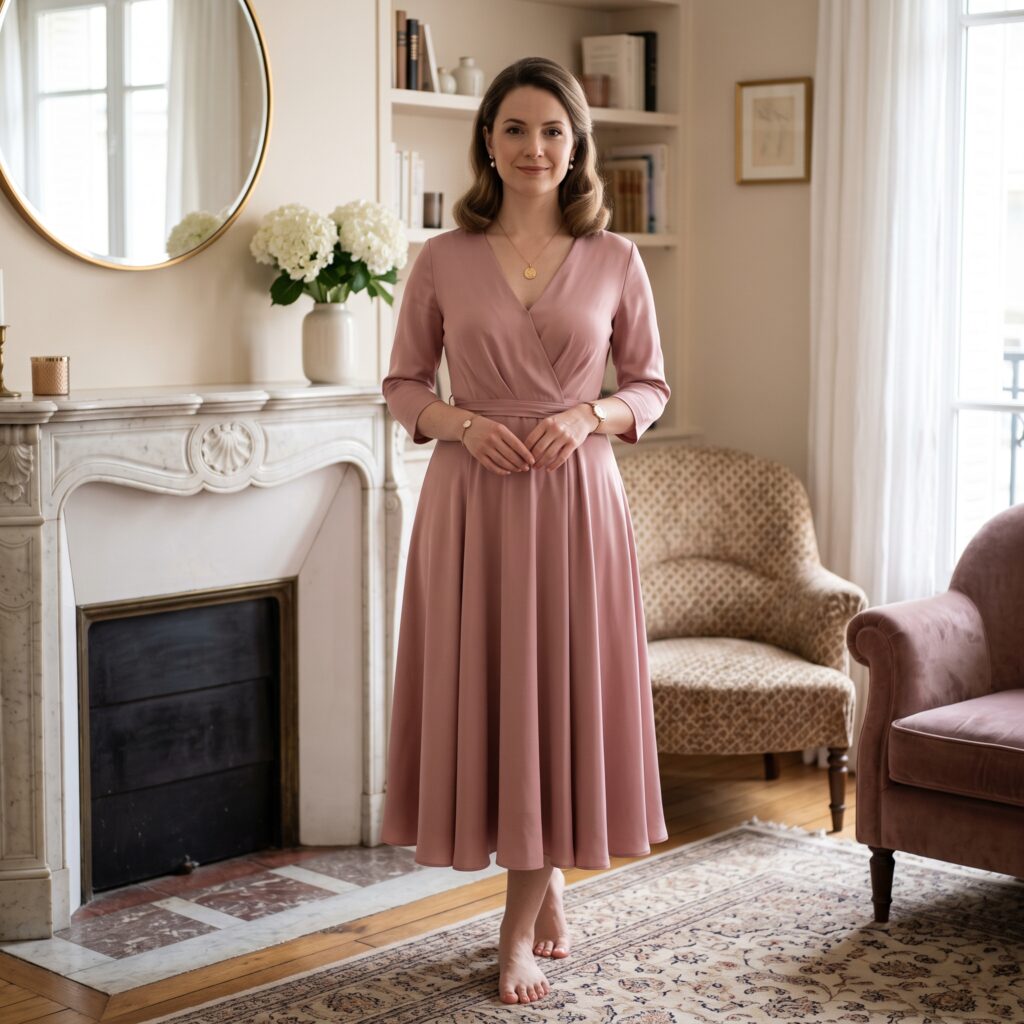
The Soft Classic carries the balanced, symmetrical framework of the Classic family with a subtle Yin softness. The overall impression is refined and approachable — not as sharp as a Dramatic Classic, and never extreme.
Key Physical Traits: Moderate height. Evenly proportioned with slightly rounded or softened features. Flesh is soft rather than angular. Facial features are balanced with gentle curves — rounded cheeks, moderate lips, and evenly spaced eyes.
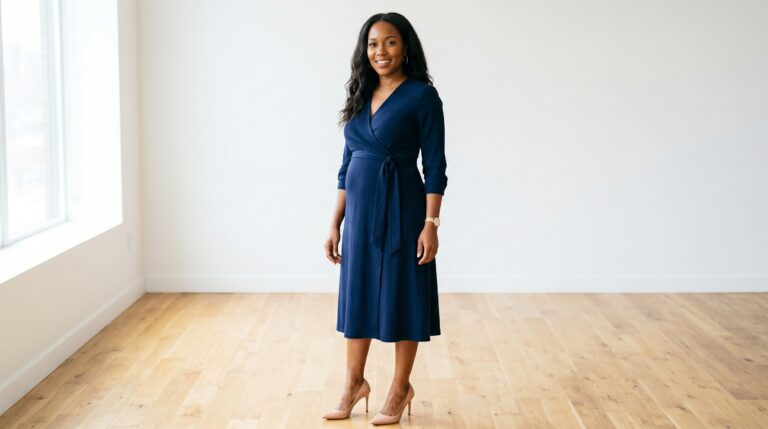
Style Approach: Symmetrical, softly tailored clothing with gentle waist definition. Wrap dresses in moderate cuts, soft blouses, and slim trousers with rounded edges. Everything should be balanced and understated — high-quality fabrics with a gentle drape rather than stiff structure. Avoid anything too bold, too loud, or too asymmetrical.
Verified Celebrity Examples: Meryl Streep and Dakota Johnson.
9. Flamboyant Gamine
Visual Essence: Pixie chic, edgy, high-energy.
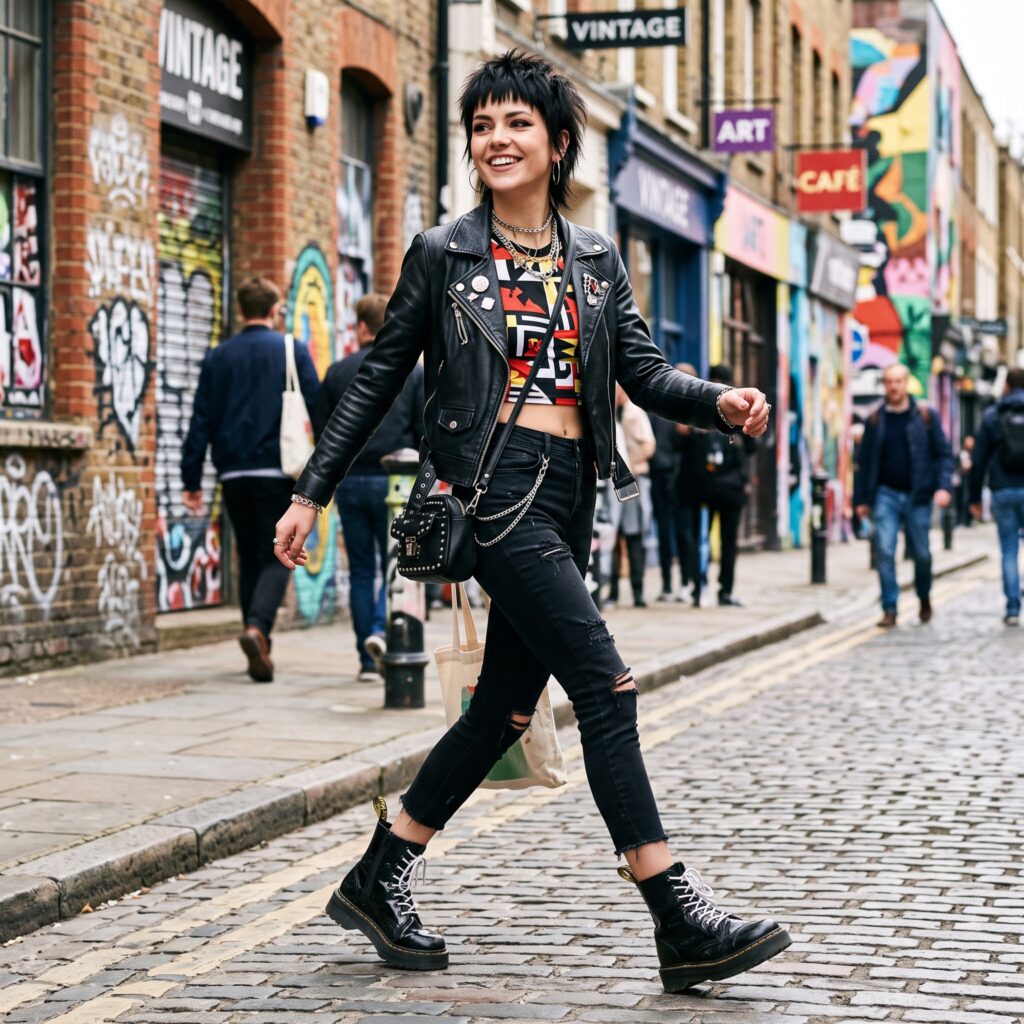
The Flamboyant Gamine is a compact type with strong Yang sharpness combined with a Yin petiteness. The signature is contrast — sharp shoulders sitting alongside large eyes, or angular bones paired with a small overall frame. This is the more Yang-leaning Gamine.
Key Physical Traits: Short to moderate height. Compact, angular bone structure. Shoulders can be sharp or square. Limbs may appear slightly long for the body. Features are a visible mix of sharp and delicate elements. The overall impression is animated and energetic.
Style Approach: Cropped, broken lines that play up the contrast. Short jackets, mini skirts, color blocking, mixed prints, and asymmetric elements. The Flamboyant Gamine should never wear long, unbroken columns — they need visual breaks and playful geometry. Think staccato, not legato.
Verified Celebrity Examples: Audrey Hepburn and Penélope Cruz.
10. Gamine (Retired)
Visual Essence: Pure contrast in a compact package.
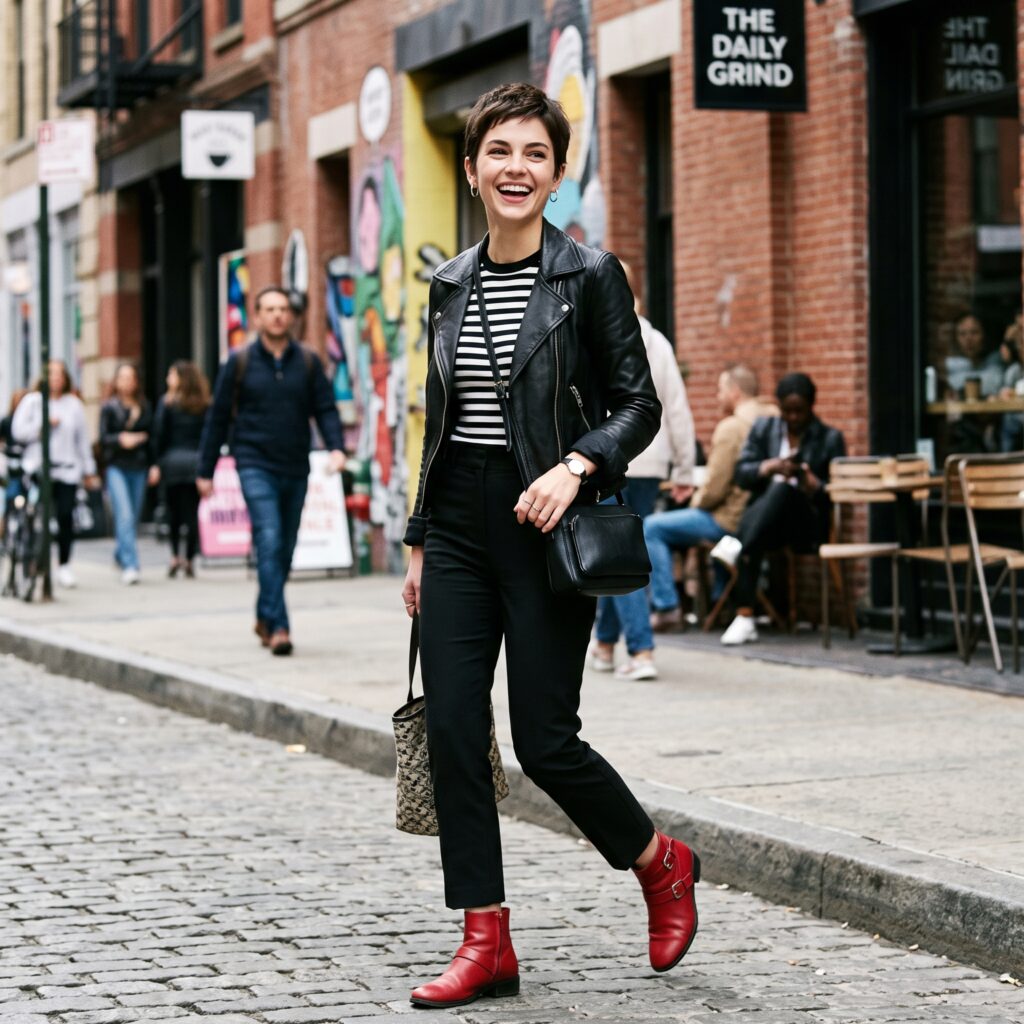
The pure Gamine sat at the exact center of the Gamine family — equal parts sharp Yang and soft Yin in a petite frame. Like the other “pure” types, it was retired by David Kibbe because most Gamine-family people lean slightly toward Flamboyant Gamine or Soft Gamine.
If you test as pure Gamine, try clothing lines from both subtypes and see which silhouettes make you feel more alive.
11. Soft Gamine
Visual Essence: Spicy-cute, doll-like, kittenish.
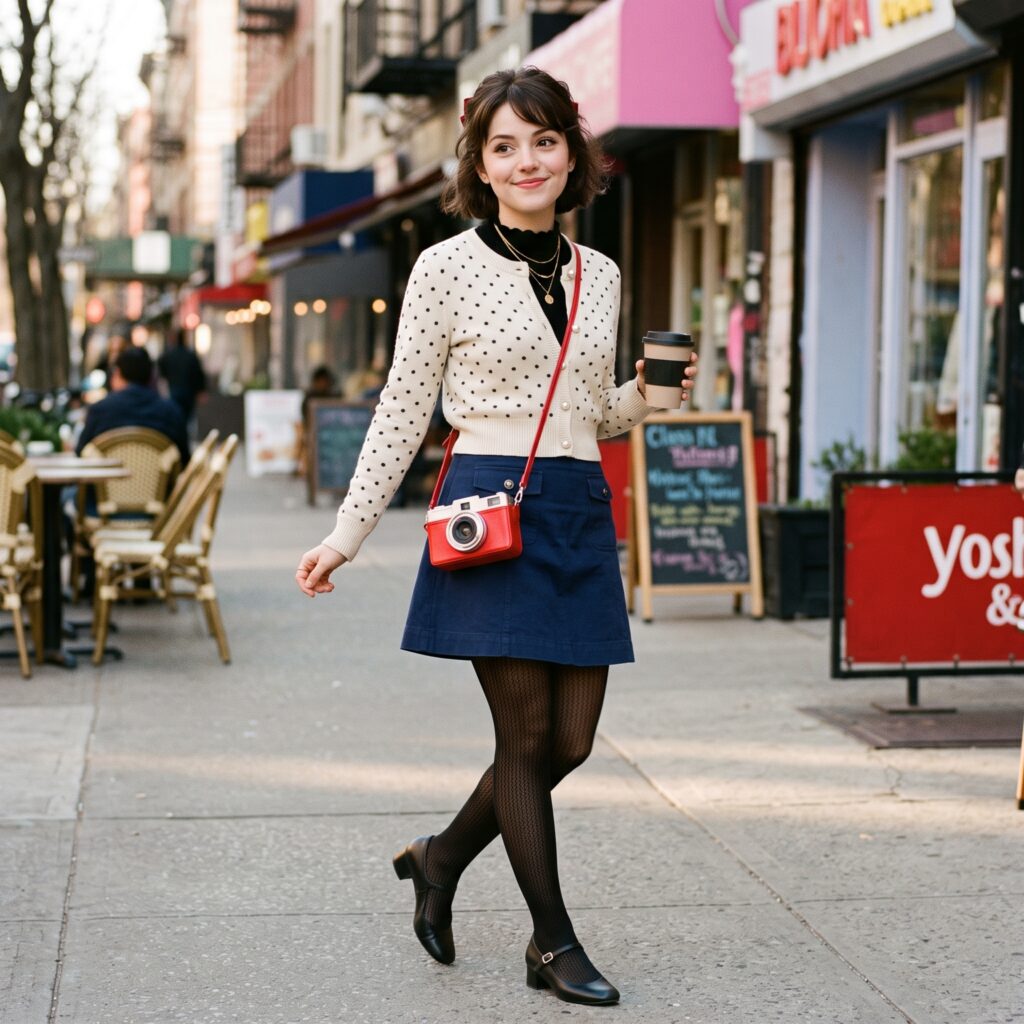
The Soft Gamine shares the Gamine family’s signature contrast — both Yin and Yang elements showing up simultaneously — but leans toward the softer, rounder side. The impression is compact, playful, and feminine.
Key Physical Traits: Short to moderate height. Small but with visible contrast between features — for example, sharp shoulders with full lips, or angular cheekbones with rounded eyes. Flesh is soft and rounded. The overall frame is petite and compact.
Style Approach: Fit-and-flare silhouettes, cropped tops, cinched waists, and full mini skirts. The body should be emphasized in cute, distinct segments — never in one long flowing line. Patterns can be playful but should stay moderate in scale. Think fitted and fun, not loose and long.
Verified Celebrity Examples: Bette Davis, Reese Witherspoon, and Halle Berry.
12. Theatrical Romantic
Visual Essence: Exotic, intricate, jewel-like.
The Theatrical Romantic is Yin-dominant with a subtle Yang edge — delicate curves sharpened by slight angularity in the bones or facial features. The result is a type that looks both lush and defined, like an ornate piece of jewelry.
Key Physical Traits: Short to moderate height. Delicate, slightly sharp bone structure with soft, rounded flesh. The waist is defined. Facial features mix softness (full lips, rounded eyes) with slight sharpness (defined nose or cheekbones). The overall impression is intricate and magnetic.
Style Approach: Body-conscious, intricate, and detailed. Fitted bodices with defined waists, hourglass silhouettes, and embellished fabrics. Lace, intricate patterns, and tapered details all work. The key is to keep everything fitted and detailed — but never oversized, boxy, or sharp-edged.
Verified Celebrity Examples: Vivien Leigh and Mila Kunis.
13. Romantic
Visual Essence: Soft, sensual, lush femininity. Pure Yin.
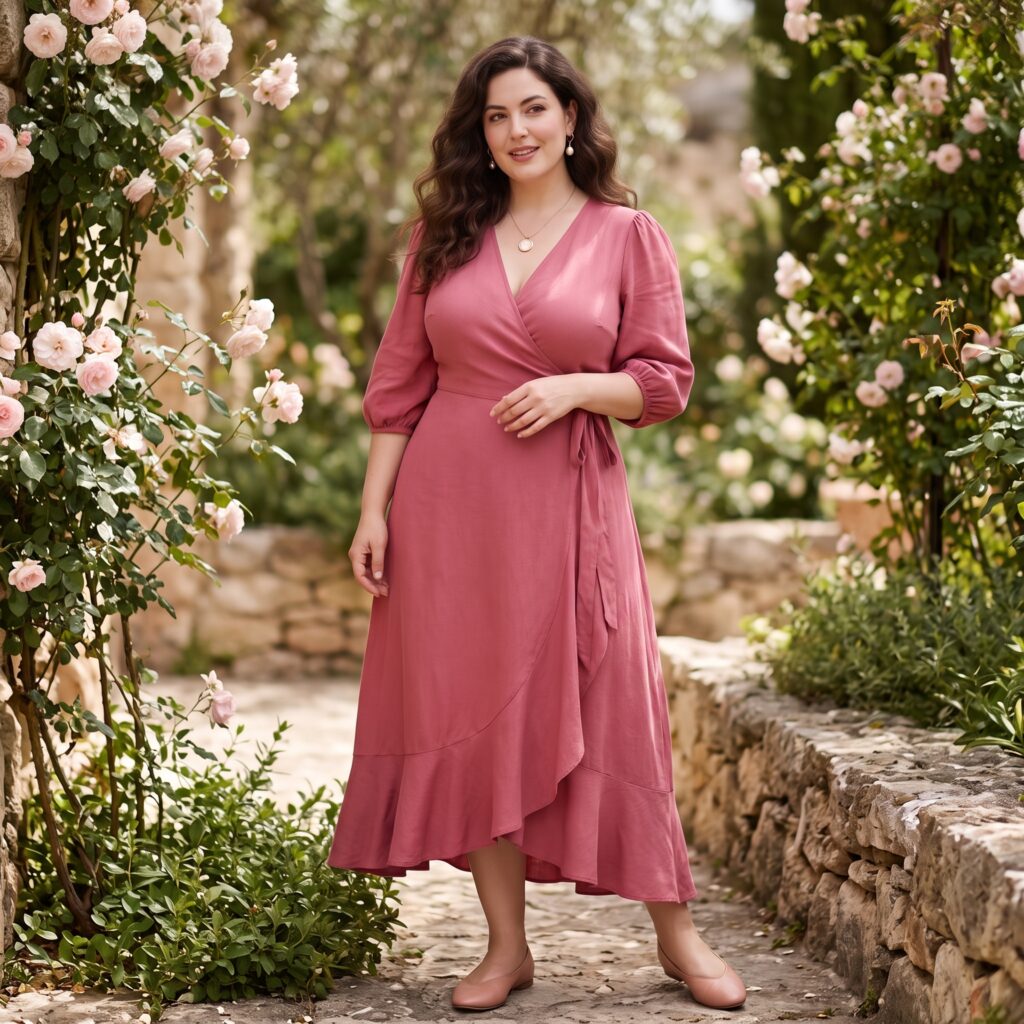
The Romantic is the most Yin-dominant type in the system — the opposite pole from the Dramatic. Everything about the Romantic reads as soft, rounded, and full. This is one of the rarest Image Identities in the modern system because it requires the body and face to be entirely soft with no Yang accents at all.
Key Physical Traits: Short to moderate height. Rounded, delicate bone structure. Full, lush curves with soft flesh. Rounded facial features — full cheeks, large rounded eyes, full lips. When gaining weight, Romantics tend to become rounder and softer all over, maintaining their overall silhouette.
Style Approach: Body-skimming hourglass silhouettes in soft, flowing fabrics. Wrap dresses, sweetheart necklines, and defined waists. Everything should follow the body’s natural curves — fluid but body-conscious. Fabrics should drape, not structure. Avoid anything oversized, angular, or stiff.
Verified Celebrity Examples: Marilyn Monroe and Madonna have both been verified as pure Romantics by David Kibbe.
Why Were 3 Kibbe Types Retired?
David Kibbe retired pure Natural, pure Classic, and pure Gamine because, after decades of typing thousands of clients, he found that virtually nobody sits at the exact center of these families. Almost everyone leans slightly sharper or slightly softer.
The retirement does not mean these types were “wrong.” It means the system evolved. The original 1987 book presented 13 types as a theoretical framework. Decades of hands-on work showed that 10 types more accurately reflect the range of real bodies.
If you are using an older online quiz that gives you “pure Natural,” “pure Classic,” or “pure Gamine” as a result, explore the two active subtypes within that family. One of them will almost certainly fit you better.
How Do You Find Your Kibbe Body Type?
The most reliable way to find your Kibbe type involves three steps: observe, photograph, and test.
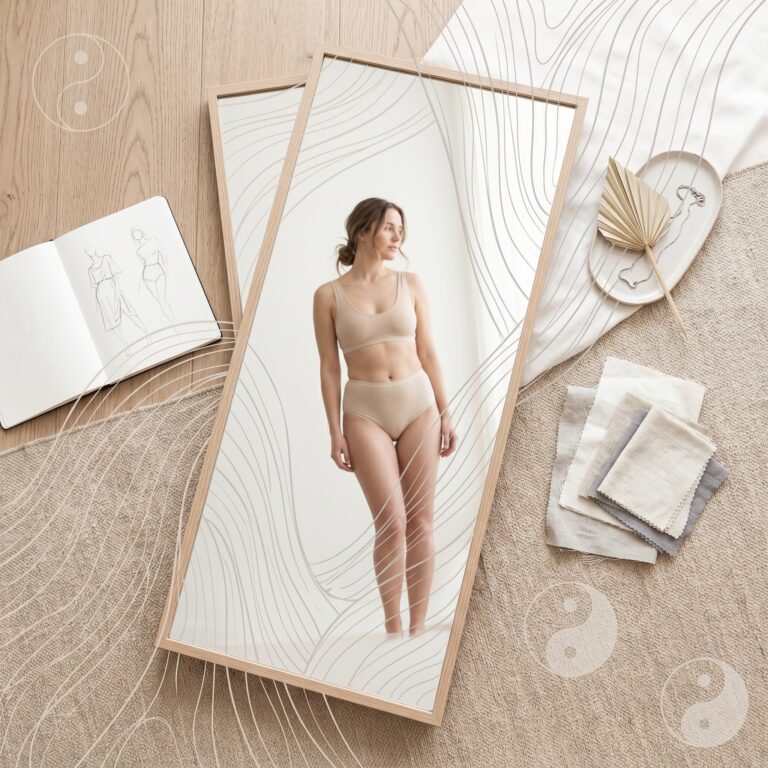
Step 1 — Stand in front of a full-length mirror in fitted clothing. Baggy clothes hide bone structure. A simple bodysuit or fitted tank with leggings works well. Look at your overall silhouette, not individual body parts.
Step 2 — Take a full-body photo from chest height, about 6-8 feet away. Photographs flatten your body into a 2D silhouette, which is exactly how Kibbe reads a body. Answer quiz questions from the photo, not the mirror — mirrors distort proportions.
Step 3 — Take a structured Kibbe quiz that evaluates bone structure, body flesh, and facial features separately. Our Kibbe Body Type Calculator uses 14 weighted questions that account for height brackets, Gamine contrast detection, and the bone-over-flesh priority that Kibbe himself uses.
For the gold-standard result, David Kibbe offers private consultations in New York. His Strictly Kibbe Facebook community also provides a pathway for verification through photo submission.
Kibbe Body Types vs. Fruit Body Shapes — What Is the Difference?
These two systems answer fundamentally different questions, and understanding the difference prevents a lot of confusion.
Fruit body shapes (pear, apple, hourglass, rectangle, inverted triangle) classify you by the ratio of your bust, waist, and hip measurements. They tell you about your width proportions at three points on your torso. That is all.
Kibbe body types classify you by the visual essence of your entire silhouette — how long, how sharp, how broad, how soft you read from head to toe. Two women with identical 36-26-36 hourglass measurements can be completely different Kibbe types. One might be a Soft Dramatic (tall, sharp bones, lush curves) and the other a Romantic (petite, rounded bones, soft curves). They would look their best in very different clothing.
Both systems are useful, but they serve different purposes. If you want to know which jeans cut flatters your hip-to-waist ratio, fruit body shapes help. If you want to know whether you should wear crisp tailoring or fluid drape, Kibbe gives you that answer. For a complementary result, try our Body Shape Calculator alongside the Kibbe quiz.
What Are the Most Common Mistakes in Kibbe Self-Typing?
Self-typing is difficult because most people do not see themselves objectively. These are the errors that derail the process most often.
Confusing weight with flesh. A thin person can still have Romantic flesh — soft, rounded shape even at a low weight. A heavier person can still have Dramatic flesh — taut skin that sits close to the bone. Flesh in Kibbe describes shape, not amount.
Treating height as the only factor. Height matters, but visual line matters more. A 5’3″ person with elongated proportions can carry a long vertical line. A 5’8″ person with broad, compact proportions can read as short. Always go by how tall you look, not what the tape measure says.
Defaulting to Soft Natural. Because Soft Natural sounds like an “average, approachable” type, many people land there by mistake. Soft Natural has a very specific signature — blunt, broad bones with softened flesh. If that description does not match you precisely, you are probably something else.
Ignoring the Gamine pattern. Gamines are defined by contrast, not by being petite. If your quiz results show high scores in both the A/B range (Yang) and the D/E range (Yin), you are likely a Gamine — not a Classic who “averaged out.” The contrast pattern is the Gamine’s defining fingerprint.
Picking an aspirational type. Soft Dramatic and Romantic are the most popular types on social media. Some people unconsciously answer quiz questions to land on these types. The whole point of Kibbe is to find your real type — the one that actually makes your clothing work for you.
Can Your Kibbe Body Type Change Over Time?
No. Your Kibbe Image Identity is anchored in your bone structure, and adult bone structure does not change. Weight gain, aging, pregnancy, and fitness level can shift how strongly you express your type’s traits, but your underlying frame stays constant.
This is one of the most practical aspects of the system. Once you identify your Kibbe type, the style recommendations remain relevant for life. A Soft Dramatic at 25 and a Soft Dramatic at 55 need the same clothing lines — long, draped, body-skimming silhouettes that honor both vertical and curve.
If you gain or lose significant weight, the styling details might need adjustment (heavier fabrics for more structure, lighter fabrics for more drape), but the fundamental silhouette recommendations stay the same.
Frequently Asked Questions
How many Kibbe body types are there?
The original 1987 system presented 13 types. The modern system, updated in David Kibbe’s 2025 book Power of Style, recognizes 10 active types. Three “pure” types — Natural, Classic, and Gamine — were retired because Kibbe found they do not occur in practice.
Is the Kibbe body type system scientifically proven?
Kibbe is a style framework, not a scientific theory. It works because clothing lines, fabrics, and proportions interact predictably with the visual line of a body. It codifies decades of hands-on styling observation. It does not claim to be biology, and it does not need to be — its value is practical, not academic.
What is the rarest Kibbe body type?
Pure Dramatic and pure Romantic are considered the rarest active Image Identities because they require every feature — bone, flesh, and face — to be entirely on one Yin/Yang extreme. The vast majority of people are one of the eight “accommodated” types where Yin and Yang mix.
Can men use the Kibbe body type system?
David Kibbe developed the system for and published it for women. The type descriptions, celebrity examples, and style recommendations are women-focused. However, the underlying Yin/Yang principles can inform men’s styling decisions. Our Male Body Type Calculator offers a complementary framework designed specifically for men.
What is the difference between Kibbe’s quiz and his new Personal Line method?
The original quiz evaluates individual features (bone structure, flesh, face) and tallies A-to-E scores. The Personal Line method introduced in the 2025 book reads your body holistically — how fabric drapes on your entire frame as one continuous line. Kibbe now considers Personal Line to be the more accurate approach, but quizzes remain the most accessible starting point for self-discovery.
How long does it take to find your Kibbe body type?
Our Kibbe Body Type Calculator takes about 5 minutes. Understanding and confirming your result — by reading the style guide, trying on recommended silhouettes, and comparing with celebrity examples — typically takes a few weeks of experimentation.
Start Your Kibbe Journey
Finding your Kibbe body type is not about labeling yourself — it is about unlocking a style framework that makes getting dressed easier, more intentional, and more flattering for life. The 13 types (and 10 modern types) represent a complete map of how human bodies read visually, and somewhere on that map is a type that describes how fabric, line, and proportion work best on your frame.
Take our free Kibbe Body Type Calculator to get your result in under five minutes, or explore our Body Type Guide for a broader look at all the body classification systems available. Your data stays private, runs entirely in your browser, and requires no sign-up.